
Website Development in Uganda: Built Properly, Not Just Built Fast
A site that looks fine but breaks under real use isn’t really finished. It’s a problem wearing a nice interface. Proper website development means something that stays fast under real traffic, stays secure when someone actually tries to break it, and can grow as your business does.
A website can look finished and still be broken underneath. It happens more often than you’d think. The homepage loads fine, the pages are all there, but three months later a form stops sending emails, or the site crawls to a halt the moment fifty people visit it at once. Nobody notices until it’s already costing the business money.
That’s the difference between a site that was designed and one that was actually developed. Design is what people see. Development is what makes it work: the code, the database, the logic that decides what happens when a customer clicks “pay now.” A template with a logo dropped in can look perfectly professional and still fall apart the first time real traffic hits it.
Website development at Website Design Uganda is where that underlying work happens. We build the systems that sit behind the page, whether that’s a simple business site, an online store, or something more custom like a booking platform or client portal. If you already have a design, or you know roughly what you want and just need someone to build it well, this is that part of the job.
What "Development" Actually Means
People use the word loosely. A lot of what gets sold as development in Uganda is really just theme installation with a new logo. Real development means writing or properly configuring the code that controls how a website behaves, not just how it looks.
The front end
This is what runs in the browser: the buttons, the layout, the way a page responds when you tap or scroll. Good front-end work is why a site feels smooth instead of slightly delayed and clunky.
The back end
This is the part nobody sees. It processes an order, checks a password, and sends a confirmation email. When the back end is weak, problems show up quietly, usually as a payment that never confirms or an order that vanishes without a trace.
The database
Anything a site stores- products, bookings, customer accounts- needs somewhere to live. A database built for fifty records can collapse under five thousand. That’s exactly the moment a growing business can least afford it.
Integrations
Very few sites work alone anymore. They talk to payment gateways, SMS platforms, accounting software, and delivery services. Development is what makes those connections actually reliable, rather than something that breaks the moment one of those services updates its system.
How We Approach a Build
Good development starts with a plan, not a keyboard. Here’s roughly how a project goes from first conversation to launch.
1. Working out what you actually need
Before anyone writes a line of code, we ask what the site or system has to do. User accounts? A booking calendar? Multiple payment options? An admin dashboard? These answers shape every technical decision that follows, so we don’t skip this step even when a client is in a hurry.
2. Picking the right tools for the job
We don’t default to whatever’s fastest for us. A simple business site might run perfectly well on a properly configured CMS. Something with unusual logic or complex permissions is often better as a custom build. We’ll explain the trade-offs so you understand what you’re paying for.
3. Planning the data
This is the unglamorous part that determines whether a site can grow later without a total rebuild. We map out how information will be structured before any functional code gets written.
4. Building in stages
You’ll see working progress along the way, not silence for six weeks followed by a surprise. That way misunderstandings get caught early, while they’re still cheap to fix.
5. Connecting the pieces
Payment gateways like Flutterwave and Pesapal, mobile money, SMS tools, email systems- whatever your business actually uses- get tested individually. Not bolted on the week before launch and hoped into working.
6. Testing it properly
We throw real conditions at it: several people using it at once, wrong information typed into a form, a payment that gets interrupted halfway through. How a system fails matters just as much as how it performs on a good day.
7. Making it fast
Slow code gets reviewed and tightened. Unnecessary database queries get cut. Assets get compressed. A site that technically works but takes eight seconds to load is still a broken experience for someone on mobile data.
8. Launch
Server setup, SSL certificates, a careful go-live process. The goal is zero drama on launch day, which mostly comes down to how much care went into the steps before it.
9. Handover
You get documentation explaining how the system works, plus training so you’re not stuck calling us for every small change. Any future developer should be able to open the code and understand it too.
What We Build
- Custom business websites built around how your business actually runs, not a generic layout
- Online stores with inventory tracking, multiple payment options, and order management
- Web applications: booking systems, client portals, internal dashboards
- Content management setups your team can update without calling a developer for every change
- API work connecting your site to payment providers, messaging tools, or other software you already use
- Database design, or cleanup and migration from an old, poorly built system
- Rebuilds of slow or outdated legacy sites onto something modern and maintainable
The Technology Behind It
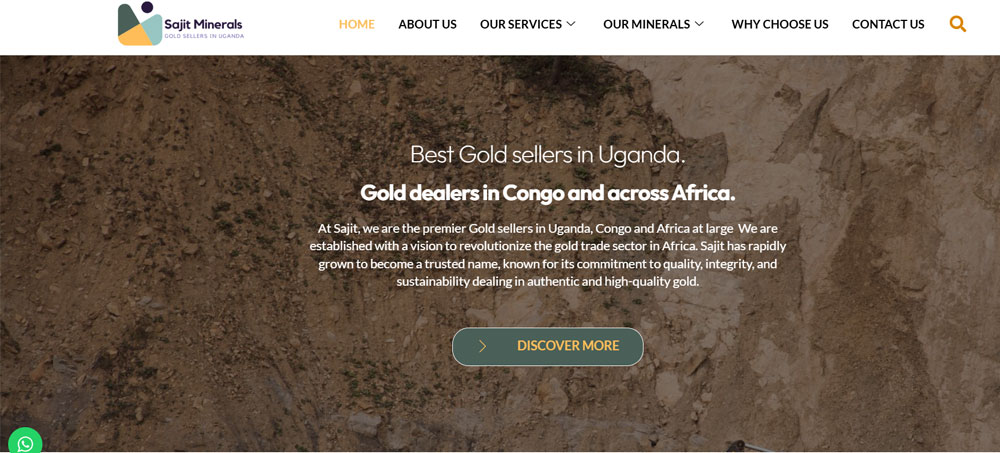
We pick the stack based on what the project needs, not what one developer happens to know best. Depending on the job, that might mean WordPress and WooCommerce for content-heavy business sites, PHP and Laravel for custom applications that need solid back-end logic, or React and Node for anything interactive and app-like. On the database side we typically use MySQL or PostgreSQL, both proven, both reliable at scale.
None of this is about chasing the newest framework. It’s about using tools that fit the job and that another developer could still work with five years from now.
Built With Uganda's Actual Conditions in Mind
A few things matter here that don’t come up in a typical overseas tutorial. Power isn’t always reliable, so admin systems need to handle a sudden shutdown without corrupting data mid-save. Mobile data isn’t unlimited, so keeping page weight down matters more than it might in a market with cheap fibre everywhere. And payment usually means mobile money first, cards second, not the other way around. We build with that reality from day one instead of retrofitting it later.
Security From the Start, Not as an Afterthought
Bolting security on after launch rarely works well. We build it in from the first line of code: passwords handled properly, protection against common attacks like SQL injection, payment details that never touch our own servers directly, regular backups, and SSL across the whole site, not just the checkout page.
Speed and Growth
A site built for fifty visitors a day behaves very differently from one built for two thousand. We design with room to grow, efficient code, sensible caching, hosting that can scale, so that a successful ad campaign or a busy season becomes a good problem to have instead of the reason your site goes down.

Custom Build or Off-the-Shelf Template?
Sometimes a cheap template genuinely is the right call. If your needs are simple, there’s no reason to pay for custom development you don’t actually need. Problems start once a business needs something specific: a booking system tied to real availability, product variants with live stock counts, permissions for different staff roles. At that point a template starts fighting you, usually through a stack of plugins that slowly grinds the whole site down. Custom development costs more up front, but it pays that back in reliability and in the ability to actually change things as your business changes.
What Happens After Launch
A site doesn’t stop needing attention the day it goes live. Security patches, dependency updates, monitoring, backups, the occasional new feature as your business evolves, all of that keeps a system healthy over time. We offer ongoing support plans for exactly this reason, particularly important for stores and custom applications where a missed security update is a real risk, not just a cosmetic one.
Mistakes We See Often
- Hiring whoever’s cheapest, with no plan for what happens when something breaks and they’re no longer reachable
- Building on whatever stack the developer personally preferred, rather than what actually suited the project
- Skipping proper testing, so bugs get discovered by customers instead of caught before launch
- No backups at all, meaning one bad server event can wipe out years of data
- Content hard-coded into the site, so a simple text change means calling a developer instead of just editing it
- No documentation left behind, so any new developer has to reverse-engineer the whole thing before they can safely touch it
Design vs. Development: What's the Actual Difference?
Design is what a visitor experiences: layout, colour, how easy something is to use. Development is the engineering underneath that makes it function. A site can look beautiful and still be poorly built, or look plain and be technically excellent. Most projects need both, and they’re genuinely different skills. If you already have a design ready, or a clear idea of what you want, we can focus purely on building it properly.
How Long a Build Actually Takes
A straightforward business website usually takes two to four weeks from our first conversation to launch. A custom application with several features and integrations can take six to twelve weeks, sometimes longer if the scope keeps growing along the way. We’ll give you a realistic number early on, based on what you actually need, not an optimistic guess meant to win the job.
FAQs
What’s the real difference between web design and web development?
Design covers how a site looks and feels. Development covers how it actually works underneath: the code, the database, the logic. A site can pass on one and fail badly on the other, so it’s worth knowing which one you’re actually asking for.
How much does website development cost in Uganda?
It depends entirely on what you’re building. A basic content-driven site costs far less than a custom application with user accounts and payment processing. We give a proper quote after understanding what you actually need, not a flat number pulled out of thin air.
Can you build something beyond a normal website, like a booking system or internal tool?
Yes. Beyond standard sites, we build custom applications: booking platforms, client portals, dashboards, shaped around how your business actually runs rather than squeezed into a generic template.
Does the site support mobile money and card payments?
Yes. We integrate mobile money, cards, and bank transfers through gateways like Flutterwave and Pesapal, so customers can pay however they already prefer to.
Can you fix or improve a website that’s already slow or broken?
Often, yes. We regularly take over existing sites, work out what’s actually wrong, and either repair and optimise what’s there or rebuild it on better foundations, whichever makes more sense for your budget and timeline.
Will the site actually be secure?
Security gets built in from the start: protection against common attacks, SSL across the whole site, safe payment handling, regular backups. It’s not an add-on we sell separately.
Do you offer support after the site is finished?
Yes. Maintenance plans cover updates, monitoring, backups, and support, so the site stays reliable well past launch day rather than slowly falling apart.
Can you connect the new site to software I already use?
Usually, yes. We build integrations with accounting tools, inventory systems, SMS and email platforms, and similar software, so the new site fits into how you already run things instead of becoming a separate, disconnected system.
Do I need a fully custom build, or would a simpler site work?
If your needs are straightforward, a well-built content-managed site is usually the smarter, cheaper option. Custom development earns its cost once you need something a template genuinely can’t handle cleanly. We’ll tell you honestly which category you fall into rather than upselling you.
Can you migrate my site from another developer or a different platform?
Yes. We handle migrations regularly, moving a site from an old host, an old platform, or a developer who’s no longer around, without losing the content, rankings, or functionality you already have.
What if my project scope changes halfway through?
It happens more often than people expect, usually because a client learns something new about their own needs partway through the build. We’ll flag the impact on timeline and cost honestly when it comes up, rather than silently absorbing scope creep or quietly padding the invoice.
Web Design Services
Digital Marketing & SEO
Our Coverage
Let's Build Something That Actually Holds Up
Get a straightforward technical quote on developing a website or web application built around what your business actually needs.