
Website Design in Gulu: Built for Northern Uganda's Hub for Trade, Recovery, and Growth
Gulu has grown into the unmistakable commercial and institutional centre of northern Uganda, shaped by a genuinely distinct mix of economic drivers that don’t really exist in quite the same combination anywhere else in the country. It’s home to a significant concentration of NGOs, UN agencies, and development organisations working across northern Uganda’s recovery and growth, a growing cross-border trade relationship with South Sudan through the nearby Elegu border point, and an agricultural economy increasingly known for shea butter, sesame, and cotton production reaching both domestic and export markets. A business here is often serving audiences that look very different from what a Kampala, Jinja, or Mbarara-based company would recognise as typical.
Website design in Gulu, done properly, has to reflect this specific mix. An NGO or development organisation based here needs a website built around donor and partner credibility, programme transparency, and often international audiences evaluating the organisation from thousands of kilometres away. A trading company working the South Sudan corridor needs a website built around B2B trust and clear logistics information for cross-border partners. An agribusiness exporting shea butter or sesame needs a site that speaks credibly to both local buyers and, increasingly, international markets sourcing directly from northern Ugandan producers. None of these are the same website, even though each is, technically, based in Gulu.
At Website Design Uganda, we build specifically for Gulu’s institutional, cross-border, and agricultural export economy — recognising that a generic template built for Kampala’s retail-dense market, or assumptions imported from Uganda’s tourism towns, misses exactly what makes Gulu’s digital needs genuinely distinct.
Website Design for Gulu's NGO and Development Sector
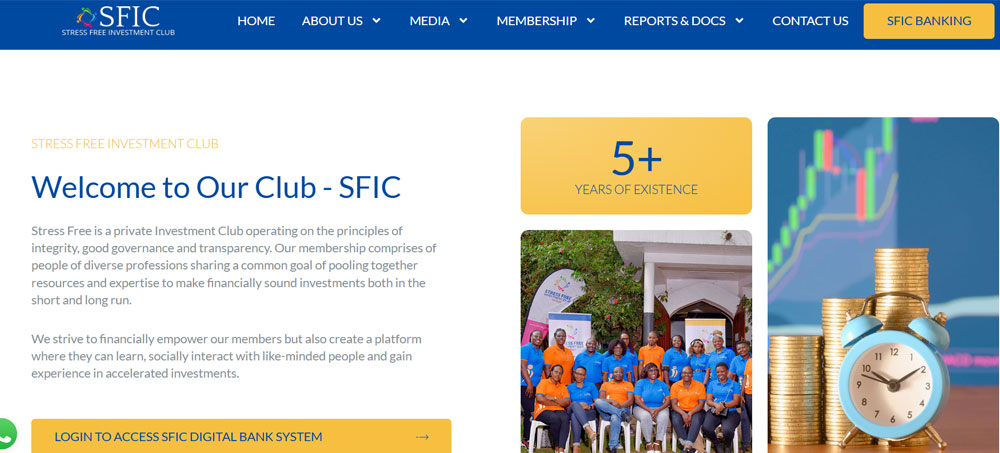
NGOs and development organisations based in or operating from Gulu have website needs that differ substantially from a typical commercial business, shaped by donor expectations, programme transparency requirements, and often an international audience evaluating the organisation’s credibility from a distance.
- Clear, honest programme and impact information, presented professionally enough to meet the expectations of international donors and partners reviewing the organisation’s work.
- Donation or partnership pathways that function reliably and clearly, since a broken or confusing donation process directly costs an organisation real funding.
- Multilingual capability where an organisation’s donor base or programme communication genuinely requires it, rather than assuming English alone always suffices.
- Content structured for multiple audiences at once — donors, programme partners, and the communities the organisation serves — each of whom may be looking for genuinely different information on the same site.
- Where relevant, integration with programme or beneficiary management systems, an area where our Software System Development service can extend a website project into genuinely useful operational tools for organisations managing complex programme data.
Website Design for Gulu's Cross-Border Trade and Logistics Businesses
Trading, transport, and logistics companies working the corridor toward South Sudan need websites built around clear service information, straightforward capability and route details, and credibility signals that reassure a cross-border partner evaluating the business from outside the immediate area — practical, efficient content that respects this audience’s time and decision-making process, rather than an elaborate consumer-marketing approach that doesn’t serve genuine B2B trade relationships.
Website Design for Gulu's Agricultural Export Sector
Shea butter, sesame, and cotton producers and exporters increasingly need websites that can credibly reach both domestic buyers and international markets directly interested in sourcing from northern Uganda specifically — meaning clear production capacity and quality information, visible certifications where relevant, and content written with an international buyer’s actual questions in mind, alongside the practical local-market information domestic buyers need
Web Design Services
Digital Marketing & SEO
Our Coverage
Get in touch
Get a free consultation and a clear quote for a website built specifically around your organisation or business and its place in Gulu's distinct market.